More Posts

<p>How to Identify Antique Porcelain Marks: A Beginner’s Guide</p><p>How to Identify Antique Porcelain Marks: A Beginner’s Guide</p>

How to Identify Antique Porcelain Marks: A Beginner’s Guide

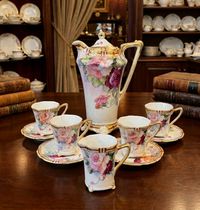
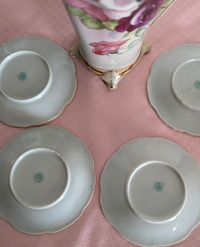
One of the first things I do when looking at a porcelain piece is turn it over. Beneath the painted flowers, gold trim, or delicate handles, there may be a small clue to its history: a crown, a few initials, a handwritten number, or a name.


These marks can help us discover where a piece came from and sometimes when it was made. But understanding them takes more than finding a similar symbol online.


A porcelain mark is a starting point. The strongest identification comes from studying the mark and the object together.
How to Identify Murano Glass: Clues to Look For and Myths to AvoidHow to Identify Murano Glass: Clues to Look For and Myths to Avoid
How to Identify Murano Glass: Clues to Look For and Myths to Avoid

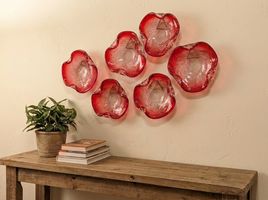
There is something captivating about a beautiful piece of art glass. Rich colors, delicate threads, and shapes that seem to move with the light can make you stop and look a little longer.


But is it Murano?


That question takes more than spotting a colorful swirl or turning a vase over to look for a signature. Identifying Murano glass means gathering clues—and knowing which clues can actually support its origin.

<p>Pink Depression Glass: A Little History, a Little Romance, and Plenty of Character.</p><p>Pink Depression Glass: A Little History, a Little Romance, and Plenty of Character.</p>

Pink Depression Glass: A Little History, a Little Romance, and Plenty of Character.

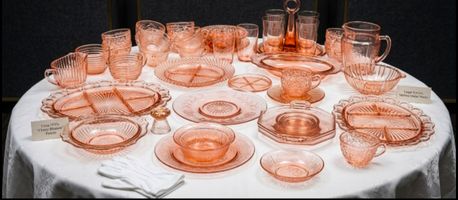
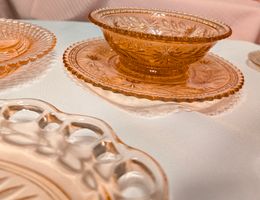
A pink glass bowl catching the afternoon light can change the feeling of a room. There is something inviting about its soft color and patterned surface—a small detail that makes a shelf or table feel more personal.


For some of us, pink Depression glass brings back memories of a grandmother’s china cabinet. For others, it is a first discovery at an antique shop. Either way, its appeal goes beyond nostalgia. These pieces bring color, texture, and history into the homes we live in today.


<p>Bohemian Glass: Color, Craftsmanship, and Beauty That Survives Time</p><p>Bohemian Glass: Color, Craftsmanship, and Beauty That Survives Time</p>

Bohemian Glass: Color, Craftsmanship, and Beauty That Survives Time

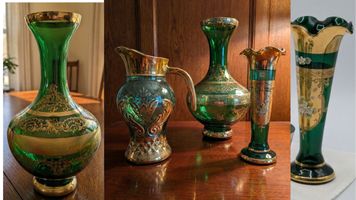
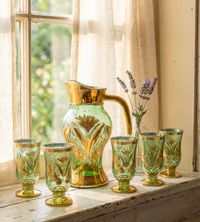
A richly colored goblet, a vase decorated with delicate flowers, or a decanter that catches the light—Bohemian glass invites us to pause and look closer. The first thing we notice may be its beauty. Then we begin to see the details: the curve of a handle, the precision of an engraved leaf, or the contrast between colored glass and a clear-cut design.


That is what draws me to these pieces. Something so fragile has survived changing homes and generations of life, carrying the work of its makers into the present.

Antique vs. Vintage: What’s the Difference?Antique vs. Vintage: What’s the Difference?
Antique vs. Vintage: What’s the Difference?

A hand-painted porcelain cup, a pink glass serving bowl, a silver tray with beautifully worn handles—each has a past. But when does an older piece become an antique, and what makes something vintage?

These words are often used interchangeably, but they tell us different things about an object’s age. Understanding the difference can help you shop with confidence and appreciate the pieces you already own.

Collecting Depression Glass: A Guide to Its History, Colors, Patterns & ValueCollecting Depression Glass: A Guide to Its History, Colors, Patterns & Value
Collecting Depression Glass: A Guide to Its History, Colors, Patterns & Value

There is something special about Depression glass. A soft pink plate catching the afternoon light, a green serving bowl displayed in a cabinet, or a delicate blue tumbler can bring a little piece of American history into today's homes.


Created during an era when families were stretching every dollar, Depression glass became an affordable way to bring color and decoration to the everyday table. What was once inexpensive household glassware is now collected, researched, displayed, and appreciated by vintage enthusiasts around the world.


At Vintage With An Edge, we believe the appeal of vintage treasures goes beyond their appearance. Every surviving piece has a history, and Depression glass offers a fascinating glimpse into the homes and everyday lives of generations before us.


Whether you are beginning your first collection or searching for a particular pattern to complete a set, understanding its history, identifying characteristics, and value can make collecting even more rewarding.

Vintage With An Edge

I started the Vintage With An Edge blog to share my love of vintage and antiques—their beauty, their history, and the remarkable way they have survived the passage of time, some without even a blemish. I believe that learning about these pieces deepens our appreciation for the past and inspires us to preserve it.


There is something moving about holding a piece that was made decades ago, used and cared for, and somehow found its way into our hands. A pink glass plate, a hand-painted teacup, or a silver serving tray has endured changing fashions, changing homes, and generations of everyday life. We may never know its full story, but we can appreciate what remains.


I find myself wondering about the people who chose these pieces. Was it a wedding gift? Something saved for special occasions? Or an everyday favorite that brought a little beauty to an ordinary day?


Through this blog, I want to share that curiosity, explore the history and craftsmanship behind these objects, and offer ideas for bringing them into our homes today.


Beautiful things deserve more than one lifetime.


Warmly,

Gabrielle, Founder & Curator, Vintage With An Edge