
Gabrielle, Founder & Curator, Vintage With An Edge | Oct 20

How to Identify Murano Glass: Clues to Look For and Myths to Avoid

There is something captivating about a beautiful piece of art glass. Rich colors, delicate threads, and shapes that seem to move with the light can make you stop and look a little longer.


But is it Murano?


That question takes more than spotting a colorful swirl or turning a vase over to look for a signature. Identifying Murano glass means gathering clues—and knowing which clues can actually support its origin.

What Is Murano Glass?

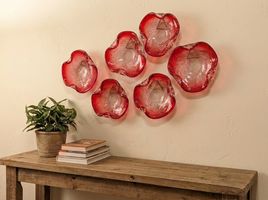
Murano is a place, not a single brand or pattern. Authentic Murano glass is made on the island of Murano in the Venetian lagoon, Italy. Many different workshops and makers have worked there, producing everything from delicate stemware to bold sculptures and chandeliers. The official Vetro Artistico® Murano trademark certifies this place of origin.

Authentic Murano glass is made on the island of Murano in the Venetian lagoon, Italy. Authentic Murano glass is made on the island of Murano in the Venetian lagoon, Italy.

Authentic Murano glass is made on the island of Murano in the Venetian lagoon, Italy.

Start With Labels and Signatures

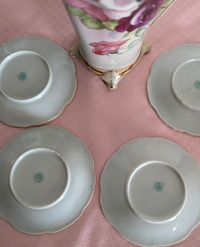
Before cleaning a newly acquired piece, carefully examine its base and sides. An original paper or foil label may be an important part of its history, so preserve it whenever possible. Look for a maker’s name, an etched signature, or a label that can be compared with documented examples. Photograph everything clearly, including any faint lettering.


The wording matters:


“Made in Italy”

identifies a country, but does not establish that the glass was made on Murano.


“Murano style”

describes a resemblance, rather than confirmed origin.


A maker’s label or signature

provides a research lead that should be checked against the piece’s design and construction.


A signature should support an identification, rather than settle it by itself. Likewise, missing labels or signatures do not automatically rule out an older piece.

Understand the Official Murano Trademark

For more recent glass, look for the Vetro Artistico® Murano trademark, managed by Consorzio Promovetro. Authorized producers use a special label with identifying information. Since 2016, these labels have included a serial number and Data Matrix code for traceability.


This is different from a generic decorative sticker bearing the word “Murano.”


The trademark was established in 1994, so it is not something you should expect to find on every vintage or antique piece. Its absence alone cannot resolve the origin of older glass.

Learn the Techniques—but Remember Their Limits

Recognizing glassmaking techniques helps you describe a piece and find useful comparisons.


One example is filigrana, which incorporates fine glass threads into the design. This style originated on Murano in the sixteenth century and spread to other parts of Europe. That history illustrates an important point: a technique associated with Murano can also appear in glass made elsewhere.


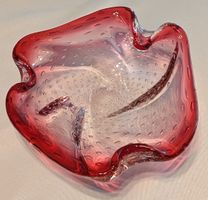
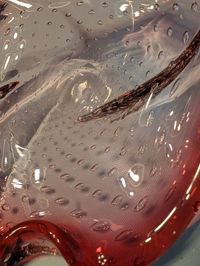
Layered colors, flowerlike patterns, controlled bubbles, and metallic inclusions are all worth studying. None of these features, by itself, proves where an object was made.


Use the decoration to guide your research, then look for evidence connecting the piece to a particular workshop or documented design.

Murano glass  controlled bubbles technique.Murano glass  controlled bubbles technique.

Murano glass-controlled bubbles technique.

Look Closely at the Base

You may see a pontil mark, the scar left where a rod held the glass during manufacture. The Corning Museum of Glass describes this as an irregular or ring-shaped mark that can remain when the rod is removed. A pontil mark helps explain how a piece was made. It does not establish that it came from Murano.

The same caution applies to weight, bubbles, and small irregularities. A heavy vase is not automatically Murano, and imperfections are not a certificate of handmade Italian origin. Avoid identification rules built around a single physical feature.

Be Comfortable With an Unanswered Question

Sometimes a beautiful piece remains unidentified.


When the evidence is incomplete, describing it as “art glass, maker unknown” is more accurate than assigning a famous name based on appearance. You can still appreciate its color, craftsmanship, and design while continuing to investigate its history.


At Vintage With An Edge, that curiosity is part of the pleasure of collecting. Looking closely teaches us to notice the details: the curve of a rim, the way color sits within clear glass, or a faint mark preserved underneath.


The goal is to understand a piece well enough to tell its story honestly—and enjoy the beauty it brings into our homes.


Beautiful things deserve more than one lifetime.


Beautiful things deserve more than one lifetime. Our goal is to make your home beautiful and unique, while making the world a better place. Curated vintage and antiques for distinctive interiors.

Gabrielle, Founder & Curator, Vintage With An Edge

More Posts

<p>How to Identify Antique Porcelain Marks: A Beginner’s Guide</p><p>How to Identify Antique Porcelain Marks: A Beginner’s Guide</p>

How to Identify Antique Porcelain Marks: A Beginner’s Guide

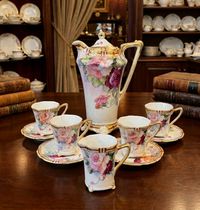
One of the first things I do when looking at a porcelain piece is turn it over. Beneath the painted flowers, gold trim, or delicate handles, there may be a small clue to its history: a crown, a few initials, a handwritten number, or a name.


These marks can help us discover where a piece came from and sometimes when it was made. But understanding them takes more than finding a similar symbol online.


A porcelain mark is a starting point. The strongest identification comes from studying the mark and the object together.
<p>Pink Depression Glass: A Little History, a Little Romance, and Plenty of Character.</p><p>Pink Depression Glass: A Little History, a Little Romance, and Plenty of Character.</p>

Pink Depression Glass: A Little History, a Little Romance, and Plenty of Character.

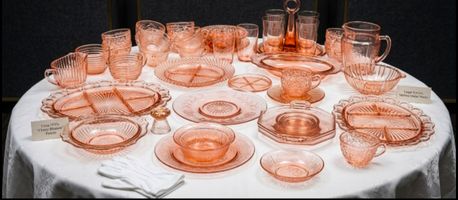
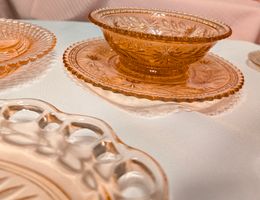
A pink glass bowl catching the afternoon light can change the feeling of a room. There is something inviting about its soft color and patterned surface—a small detail that makes a shelf or table feel more personal.


For some of us, pink Depression glass brings back memories of a grandmother’s china cabinet. For others, it is a first discovery at an antique shop. Either way, its appeal goes beyond nostalgia. These pieces bring color, texture, and history into the homes we live in today.


<p>Bohemian Glass: Color, Craftsmanship, and Beauty That Survives Time</p><p>Bohemian Glass: Color, Craftsmanship, and Beauty That Survives Time</p>

Bohemian Glass: Color, Craftsmanship, and Beauty That Survives Time

A richly colored goblet, a vase decorated with delicate flowers, or a decanter that catches the light—Bohemian glass invites us to pause and look closer. The first thing we notice may be its beauty. Then we begin to see the details: the curve of a handle, the precision of an engraved leaf, or the contrast between colored glass and a clear-cut design.


That is what draws me to these pieces. Something so fragile has survived changing homes and generations of life, carrying the work of its makers into the present.

Antique vs. Vintage: What’s the Difference?Antique vs. Vintage: What’s the Difference?
Antique vs. Vintage: What’s the Difference?

A hand-painted porcelain cup, a pink glass serving bowl, a silver tray with beautifully worn handles—each has a past. But when does an older piece become an antique, and what makes something vintage?

These words are often used interchangeably, but they tell us different things about an object’s age. Understanding the difference can help you shop with confidence and appreciate the pieces you already own.

Collecting Depression Glass: A Guide to Its History, Colors, Patterns & ValueCollecting Depression Glass: A Guide to Its History, Colors, Patterns & Value
Collecting Depression Glass: A Guide to Its History, Colors, Patterns & Value

There is something special about Depression glass. A soft pink plate catching the afternoon light, a green serving bowl displayed in a cabinet, or a delicate blue tumbler can bring a little piece of American history into today's homes.


Created during an era when families were stretching every dollar, Depression glass became an affordable way to bring color and decoration to the everyday table. What was once inexpensive household glassware is now collected, researched, displayed, and appreciated by vintage enthusiasts around the world.


At Vintage With An Edge, we believe the appeal of vintage treasures goes beyond their appearance. Every surviving piece has a history, and Depression glass offers a fascinating glimpse into the homes and everyday lives of generations before us.


Whether you are beginning your first collection or searching for a particular pattern to complete a set, understanding its history, identifying characteristics, and value can make collecting even more rewarding.