Gabrielle, Founder & Curator, Vintage With An Edge | Oct 6

Antique vs. Vintage: What’s the Difference?

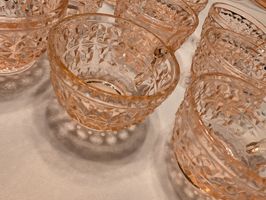
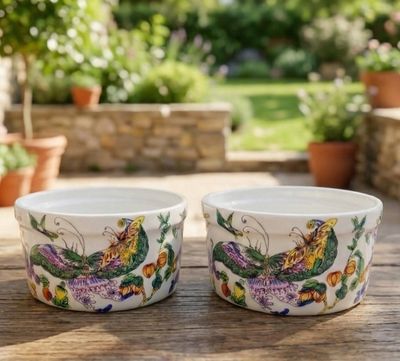
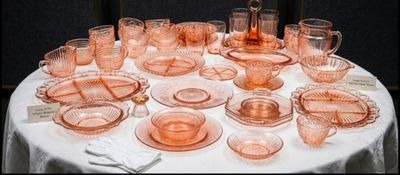
A hand-painted porcelain cup, a pink glass serving bowl, a silver tray with beautifully worn handles—each has a past. But when does an older piece become an antique, and what makes something vintage?

These words are often used interchangeably, but they tell us different things about an object’s age. Understanding the difference can help you shop with confidence and appreciate the pieces you already own.

What Makes Something Antique?

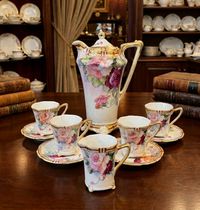
In the antiques trade, an antique is generally understood to be at least 100 years old. That century mark is a useful guide, although formal definitions can vary by context. U.S. customs classification, for example, uses “exceeding 100 years.” A porcelain chocolate pot made in 1910 comfortably qualifies as antique today. A similar-looking pot made in 1960 does not, even if its floral decoration and gold trim give it an older appearance. That is part of what makes antiques so fascinating: their age is real, even when their condition seems almost too good to believe. Something can survive a century of careful ownership without a chip.

What Makes Something Vintage?

Vintage commonly describes items that are at least 20 years old, often from a recognizable period or design era. There is no single universal standard across every collecting category, but Etsy, for example, requires vintage items to be at least 20 years old.


In everyday shop descriptions, “vintage” often refers to pieces that have not yet reached antique age. Think of a 1950s glass pitcher, a 1970s porcelain wall plaque, or a decorative bowl from the 1980s.


Vintage does not mean second best. These pieces can offer wonderful craftsmanship, distinctive design, and the pleasure of finding something you rarely see in modern stores.

What About Retro and Reproductions?

Retro describes a style more than a specific age. A brand-new lamp designed to look like it belongs in a 1960s living room may be retro without being vintage.


A reproduction is a later piece made to resemble an earlier design. Reproductions can be attractive and useful, but an old-fashioned appearance alone does not establish age.


A good description should help you understand whether you are looking at an original older piece or a later interpretation.

Is Antique Always More Valuable?

Age is only one part of the story.

A desirable vintage vase can sell for more than a much older, commonly available plate. Maker, rarity, condition, craftsmanship, completeness, and collector demand all influence value.


Condition also deserves a closer look. Light wear to a gilded rim is different from a repaired handle or a cracked lid. For a set, missing pieces may matter as much as surface wear.


Neither “antique” nor “vintage” automatically means rare, expensive, or flawless.

How Can You Tell How Old Something Is?

Look for several clues together: maker’s marks, construction, materials, documented patterns, and reliable reference examples. A mark can help narrow a date, but it may need to be considered alongside the rest of the piece. Wear alone is not proof of age, and excellent condition does not mean something is new. When an exact date cannot be established, an honest estimated period is more helpful than false certainty.

Finding a Place for the Past

At Vintage With An Edge, I love imagining the lives these objects have already lived. Was that little dish saved for company? Did someone choose that vase as a wedding gift? How many homes has a serving tray passed through?


We may never know every detail. Learning about a piece gives us a deeper appreciation of what remains—and a chance to make it part of our own story.


Whether you choose century-old porcelain or a colorful vintage bowl, choose something you enjoy seeing in your home.


Beautiful things deserve more than one lifetime.

Beautiful things deserve more than one lifetime. Our goal is to make your home beautiful and unique, while making the world a better place. Curated vintage and antiques for distinctive interiors.

Gabrielle, Founder & Curator, Vintage With An Edge

More Posts

<p>How to Identify Antique Porcelain Marks: A Beginner’s Guide</p><p>How to Identify Antique Porcelain Marks: A Beginner’s Guide</p>

How to Identify Antique Porcelain Marks: A Beginner’s Guide

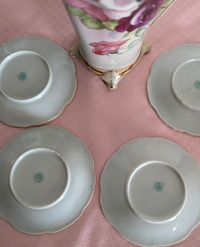
One of the first things I do when looking at a porcelain piece is turn it over. Beneath the painted flowers, gold trim, or delicate handles, there may be a small clue to its history: a crown, a few initials, a handwritten number, or a name.


These marks can help us discover where a piece came from and sometimes when it was made. But understanding them takes more than finding a similar symbol online.


A porcelain mark is a starting point. The strongest identification comes from studying the mark and the object together.
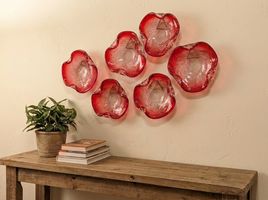
How to Identify Murano Glass: Clues to Look For and Myths to AvoidHow to Identify Murano Glass: Clues to Look For and Myths to Avoid
How to Identify Murano Glass: Clues to Look For and Myths to Avoid

There is something captivating about a beautiful piece of art glass. Rich colors, delicate threads, and shapes that seem to move with the light can make you stop and look a little longer.


But is it Murano?


That question takes more than spotting a colorful swirl or turning a vase over to look for a signature. Identifying Murano glass means gathering clues—and knowing which clues can actually support its origin.

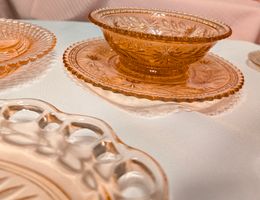
<p>Pink Depression Glass: A Little History, a Little Romance, and Plenty of Character.</p><p>Pink Depression Glass: A Little History, a Little Romance, and Plenty of Character.</p>

Pink Depression Glass: A Little History, a Little Romance, and Plenty of Character.

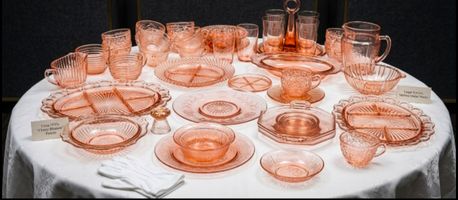
A pink glass bowl catching the afternoon light can change the feeling of a room. There is something inviting about its soft color and patterned surface—a small detail that makes a shelf or table feel more personal.


For some of us, pink Depression glass brings back memories of a grandmother’s china cabinet. For others, it is a first discovery at an antique shop. Either way, its appeal goes beyond nostalgia. These pieces bring color, texture, and history into the homes we live in today.


<p>Bohemian Glass: Color, Craftsmanship, and Beauty That Survives Time</p><p>Bohemian Glass: Color, Craftsmanship, and Beauty That Survives Time</p>

Bohemian Glass: Color, Craftsmanship, and Beauty That Survives Time

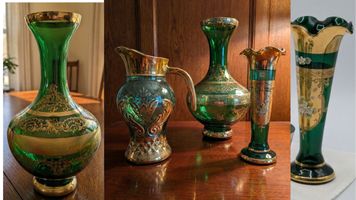
A richly colored goblet, a vase decorated with delicate flowers, or a decanter that catches the light—Bohemian glass invites us to pause and look closer. The first thing we notice may be its beauty. Then we begin to see the details: the curve of a handle, the precision of an engraved leaf, or the contrast between colored glass and a clear-cut design.


That is what draws me to these pieces. Something so fragile has survived changing homes and generations of life, carrying the work of its makers into the present.

Collecting Depression Glass: A Guide to Its History, Colors, Patterns & ValueCollecting Depression Glass: A Guide to Its History, Colors, Patterns & Value
Collecting Depression Glass: A Guide to Its History, Colors, Patterns & Value

There is something special about Depression glass. A soft pink plate catching the afternoon light, a green serving bowl displayed in a cabinet, or a delicate blue tumbler can bring a little piece of American history into today's homes.


Created during an era when families were stretching every dollar, Depression glass became an affordable way to bring color and decoration to the everyday table. What was once inexpensive household glassware is now collected, researched, displayed, and appreciated by vintage enthusiasts around the world.


At Vintage With An Edge, we believe the appeal of vintage treasures goes beyond their appearance. Every surviving piece has a history, and Depression glass offers a fascinating glimpse into the homes and everyday lives of generations before us.


Whether you are beginning your first collection or searching for a particular pattern to complete a set, understanding its history, identifying characteristics, and value can make collecting even more rewarding.