Gabrielle, Founder & Curator, Vintage With An Edge | Aug 4

Collecting Depression Glass: A Guide to Its History, Colors, Patterns & Value

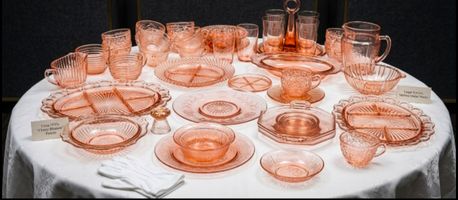
There is something special about Depression glass. A soft pink plate catching the afternoon light, a green serving bowl displayed in a cabinet, or a delicate blue tumbler can bring a little piece of American history into today's homes.


Created during an era when families were stretching every dollar, Depression glass became an affordable way to bring color and decoration to the everyday table. What was once inexpensive household glassware is now collected, researched, displayed, and appreciated by vintage enthusiasts around the world.


At Vintage With An Edge, we believe the appeal of vintage treasures goes beyond their appearance. Every surviving piece has a history, and Depression glass offers a fascinating glimpse into the homes and everyday lives of generations before us.


Whether you are beginning your first collection or searching for a particular pattern to complete a set, understanding its history, identifying characteristics, and value can make collecting even more rewarding.

The history of Depression glass

Depression glass is the name commonly used for machine-made, molded glassware manufactured in the United States beginning in the 1920s and continuing through the 1930s and into the early 1940s. Although its name is associated with the Great Depression, production actually began before the stock market crash of 1929.


American glass manufacturers developed ways to produce attractive, decorative tableware in large quantities at relatively low cost. This made colorful glassware accessible to households that could not afford more expensive, hand-finished crystal.


Companies such as Jeannette Glass, Federal Glass, Hocking Glass, Hazel-Atlas, Indiana Glass, and Macbeth-Evans helped establish the patterns and styles that collectors recognize today.


One particularly interesting part of Depression glass history is how it reached consumers. Pieces were sometimes included in food packages or offered as promotional gifts by grocery stores, movie theaters, and other businesses. Families could gradually collect matching pieces through everyday purchases and promotions.


These promotional items brought a little color and excitement into ordinary homes during a difficult economic period.


Today, those same pieces offer collectors a tangible connection to American social and manufacturing history.

Why Collectors Love Depression Glass

Depression glass has remained popular because it combines history, decorative appeal, and an enormous variety of patterns and colors.


Collectors appreciate it for several reasons:


Color: Its beautiful shades range from delicate pastels to rich, saturated tones.


Pattern variety: There are hundreds of patterns and variations to discover.


Historical interest: Each piece represents an era of American manufacturing and domestic life.


Collectability: Many patterns include an extensive selection of plates, bowls, cups, serving dishes, and specialty pieces.


Decorating versatility: Depression glass works beautifully in traditional, farmhouse, cottage, and eclectic interiors.


Some collectors focus on one particular color, while others search for a specific manufacturer or pattern. Still others enjoy bringing together an assortment of pieces that complement one another.


There is no single right way to collect. Part of the enjoyment is discovering what catches your eye.

Pink Depression Glass

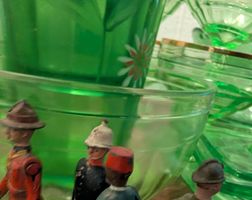
Green Depression Glass

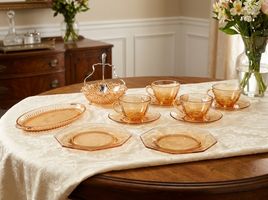
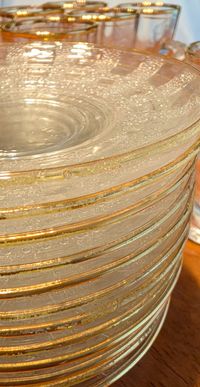
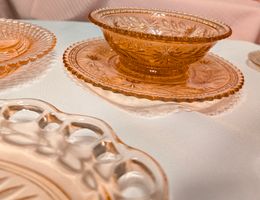
Amber Depression Glass

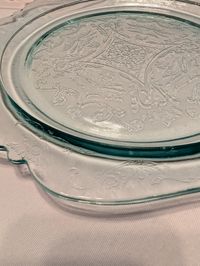
Blue Depression Glass

Clear or Crystal Depression Glass

Popular Depression Glass Patterns to Know

Learning to recognize patterns is one of the most enjoyable parts of collecting. Some designs are instantly recognizable, while others require a little research.


Here are several well-known patterns worth learning:


**Cherry Blossom**


Produced by Jeannette Glass Company, Cherry Blossom features a distinctive floral design. It is one of the most recognizable Depression glass patterns and is frequently found in pink and green.


**American Sweetheart**


Produced by Macbeth-Evans, American Sweetheart is known for its delicate, graceful appearance and romantic styling. Pink examples are particularly popular.


**Princess**


This pattern, produced by Hocking Glass Company, features geometric details and a distinctive decorative design.


**Cameo**


Also known as Ballerina, Cameo is a popular Hocking pattern featuring a dancing figure surrounded by decorative details.


**Mayfair**


Often called Open Rose, Mayfair was produced by Hocking Glass Company. Its floral motif makes it a favorite among collectors who appreciate more elaborate designs.


**Sharon**


Sometimes called Cabbage Rose, Sharon is another recognizable pattern associated with the Hocking Glass Company.


**Royal Lace**


Produced by Hazel-Atlas, Royal Lace is admired for its intricate, lace-like geometric pattern.


Each pattern has its own production history, available colors, and assortment of shapes. Identifying the manufacturer and understanding which pieces were originally produced can help you make more informed collecting decisions.
Beautiful things deserve more than one lifetime. Our goal is to make your home beautiful and unique, while making the world a better place. Curated vintage and antiques for distinctive interiors.

Gabrielle, Founder & Curator, Vintage With An Edge

More Posts

<p>How to Identify Antique Porcelain Marks: A Beginner’s Guide</p><p>How to Identify Antique Porcelain Marks: A Beginner’s Guide</p>

How to Identify Antique Porcelain Marks: A Beginner’s Guide

One of the first things I do when looking at a porcelain piece is turn it over. Beneath the painted flowers, gold trim, or delicate handles, there may be a small clue to its history: a crown, a few initials, a handwritten number, or a name.


These marks can help us discover where a piece came from and sometimes when it was made. But understanding them takes more than finding a similar symbol online.


A porcelain mark is a starting point. The strongest identification comes from studying the mark and the object together.

How to Identify Murano Glass: Clues to Look For and Myths to AvoidHow to Identify Murano Glass: Clues to Look For and Myths to Avoid
How to Identify Murano Glass: Clues to Look For and Myths to Avoid

There is something captivating about a beautiful piece of art glass. Rich colors, delicate threads, and shapes that seem to move with the light can make you stop and look a little longer.


But is it Murano?


That question takes more than spotting a colorful swirl or turning a vase over to look for a signature. Identifying Murano glass means gathering clues—and knowing which clues can actually support its origin.

<p>Pink Depression Glass: A Little History, a Little Romance, and Plenty of Character.</p><p>Pink Depression Glass: A Little History, a Little Romance, and Plenty of Character.</p>

Pink Depression Glass: A Little History, a Little Romance, and Plenty of Character.

A pink glass bowl catching the afternoon light can change the feeling of a room. There is something inviting about its soft color and patterned surface—a small detail that makes a shelf or table feel more personal.


For some of us, pink Depression glass brings back memories of a grandmother’s china cabinet. For others, it is a first discovery at an antique shop. Either way, its appeal goes beyond nostalgia. These pieces bring color, texture, and history into the homes we live in today.


<p>Bohemian Glass: Color, Craftsmanship, and Beauty That Survives Time</p><p>Bohemian Glass: Color, Craftsmanship, and Beauty That Survives Time</p>

Bohemian Glass: Color, Craftsmanship, and Beauty That Survives Time

A richly colored goblet, a vase decorated with delicate flowers, or a decanter that catches the light—Bohemian glass invites us to pause and look closer. The first thing we notice may be its beauty. Then we begin to see the details: the curve of a handle, the precision of an engraved leaf, or the contrast between colored glass and a clear-cut design.


That is what draws me to these pieces. Something so fragile has survived changing homes and generations of life, carrying the work of its makers into the present.

Antique vs. Vintage: What’s the Difference?Antique vs. Vintage: What’s the Difference?
Antique vs. Vintage: What’s the Difference?

A hand-painted porcelain cup, a pink glass serving bowl, a silver tray with beautifully worn handles—each has a past. But when does an older piece become an antique, and what makes something vintage?

These words are often used interchangeably, but they tell us different things about an object’s age. Understanding the difference can help you shop with confidence and appreciate the pieces you already own.